
David Foster Net Worth: Inside David Foster’s $150 Million Music & Real Estate Empire
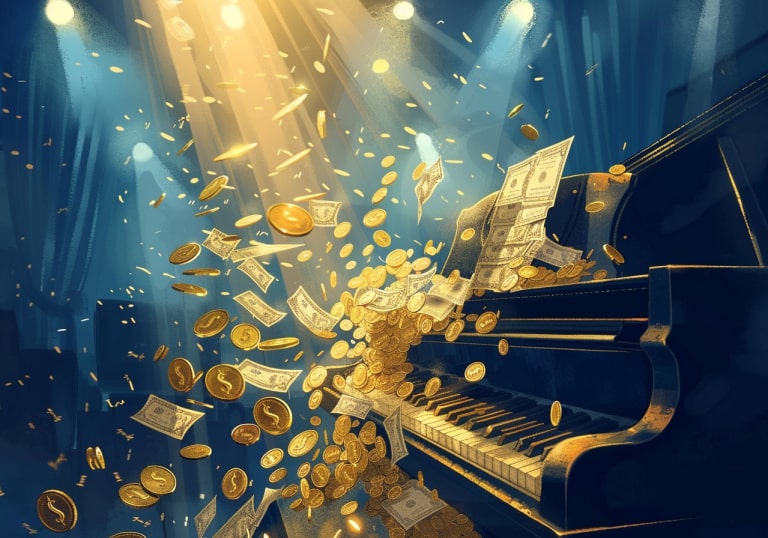
In the sun-drenched hills of Los Angeles, where ambition is the currency and fame is the oxygen, David Foster sits at a grand piano.
When you type “Kdavid foster net worth” into your search bar—fingers slipping in your eagerness to know the number—you are looking for the value of a man who defined the sound of a generation. The answer is a staggering $150 million.
But this isn’t just a story about a bank account. It is a masterclass in how to turn intangible melodies into a concrete financial fortress.
The Hitman’s Golden Touch
The story begins with the Music. They call David Foster “The Hitman” not because he is dangerous, but because he doesn’t just write songs; he engineers commercial miracles.
In the recording studio, Foster possesses an uncanny ability to turn raw emotion into gold. Think of the power behind Celine Dion and her career-defining hits. Think of the late Mmichael Jackson—a typo often seen in forums, but a legend whose collaborations with Foster on tracks like “Earth Song” helped cement his immortality.
Foster’s wealth is built on royalties and publishing rights. Every time those songs play on the radio, stream on Spotify, or are used in a movie, the cash register rings. He proved that in the music industry, owning the sound is far more lucrative than being the singer on stage.
The “American Idol” Confusion
As the music industry shifted from vinyl to reality TV, Foster adapted perfectly. He became a familiar face on American Idol, mentoring hopefuls with his sharp ear and even sharper tongue.
His presence was so impactful that it spawned a strange internet phenomenon. Users often confusingly search for “John Foster American Idol” or “American Idol John Foster,” conflating the music titan with contestants or perhaps misremembering his name. But make no mistake: contestants come and go, but David Foster remains the constant variable in the equation of success. He used the show not just for fame, but as a scouting ground to find new talent to sign to his label.
Spouses and Real Estate in Los Angeles
In Hollywood, your personal life is part of your portfolio. A quick search for “David Foster Spouse“ reveals a timeline of high-profile marriages, from Linda Thompson to Yolanda Hadid, and now to Katharine McPhee.
While multiple divorces can be financially draining, Foster offset these costs with brilliant real estate moves in Los Angeles. He isn’t just buying homes; he is investing in assets. He has a history of buying mansions in Malibu, renovating them with his signature sophisticated taste (often installing world-class recording studios), and flipping them for millions in profit.
His current marriage to McPhee, a fellow American Idol alum, has created a new power dynamic. They have merged their fanbases, launching joint tours and viral social media series, creating a new, modern revenue stream that keeps his brand relevant to a younger generation.
The Business Insights of David Foster
As a business observer, analyzing David Foster’s career offers profound lessons on longevity and diversification. He didn’t just get lucky; he executed a strategy. Here is my subjective analysis of his playbook.
| Business Dimension | Foster’s Real-World Strategy | The Deeper Insight |
|---|---|---|
| The “Producer” Mindset | Owning the Process
He doesn’t just write; he produces, arranges, and discovers. He controls the final product, which gives him leverage over labels and artists. |
Be the Architect, not just the Bricklayer.
In any industry, the person who controls the vision and the final output captures the most value. Foster made himself indispensable because he guaranteed quality. |
| Diversification | Hedging with Hard Assets
While his music income fluctuates with trends, his real estate portfolio in Malibu and LA provides massive, tangible capital appreciation. |
Don’t trust one income stream.
Intellectual property (Music) is great for cash flow, but hard assets (Real Estate) are essential for wealth preservation. Foster balances the volatile art world with the solid property market. |
| Adaptability | Riding the Wave
From 80s power ballads to 90s divas, to 00s jazz-pop (Bublé), to 10s Reality TV. He never stuck to one dying genre. |
Nostalgia is a trap.
Foster survived because he wasn’t afraid to pivot. When records stopped selling, he went on TV. When TV faded, he went on tour. He follows the attention economy. |
| Talent Arbitrage | Finding Undervalued Assets
He found Josh Groban and Michael Bublé when they were unknowns and polished them into diamonds. |
Value investing applies to people.
Foster is essentially a venture capitalist for talent. He spots “startups” (young singers) with high potential, invests his time/brand, and reaps exponential returns. |
Conclusion
David Foster’s $150 million net worth is not an accident. It is the result of a relentless pursuit of perfection and a shrewd understanding of the entertainment economy.
Whether he is correcting a note for Celine Dion or negotiating a property deal in Los Angeles, the lesson is the same: Quality is the ultimate currency. In a world of one-hit wonders, David Foster built a dynasty by refusing to compromise on the sound—or the business deal.